

When medication hasn't lifted your depression, there's another way.
TMS is an FDA-cleared, non-invasive treatment that uses gentle magnetic pulses to stimulate areas of the brain linked to mood. No anesthesia, no downtime, and you can drive yourself home. Start with a free telehealth consultation, with no pressure or obligation.



Reasons people try TMS.
TMS is for people who've given medication a real try and are ready for a different approach. Tap any of these to learn more.
Could TMS be worth exploring?
This isn't a diagnosis, just three questions to help you think it through before your consultation.
That's worth a conversation.
Based on what you shared, it may be worth talking through your options with our clinical team. A free consultation is a no-pressure way to find out if TMS, or something else, is the right next step.
Schedule a ConsultationRelief without another pill.
FDA-cleared for adults with depression who haven't found relief from antidepressant medication.
Non-invasive and well tolerated, with no anesthesia and no medication side effects throughout the body.
No downtime. You stay awake during each session and can drive yourself home right after.

A full course of TMS, completed in one day.
We offer one TMS protocol: AMPA ONE-D, short for the Optimized Neuroplasticity-Enhanced Depression protocol. Traditional TMS means going to a clinic every weekday for several weeks. ONE-D compresses that entire course into a single treatment day of about 9.5 to 10 hours.
Treatment is delivered in a series of short sessions with time to rest in between, so you can finish your course in one visit while the benefits build over the weeks that follow.
short TMS sessions across your treatment day
between sessions, with time to rest
to complete a full course of treatment
Accelerated theta-burst stimulation
Each session uses intermittent theta-burst stimulation (iTBS), a faster form of TMS that delivers the same stimulation as a standard session in about three minutes. The pulses are aimed at the area of the brain involved in regulating mood, which tends to be underactive in depression.
Neuroplasticity-priming medication
Before your first session, you take a single dose of physician-prescribed medications meant to help your brain respond more fully to each round of stimulation. These are used off-label as part of the protocol, and are prescribed only after a full medical and psychiatric evaluation.
What the early research shows
In a published case series of 32 adults with treatment-resistant depression, 87.5% responded and 71.2% reached remission six weeks after a single ONE-D treatment day. Because it was a small study without a comparison group, these results are preliminary. The chart below sets them beside published rates for other treatments for context, not as a head-to-head comparison.
Read the published study →1st Medication Trial
SSRI/SNRI, STAR*D Level 1 (n=2,876 general MDD)
Psychotherapy (CBT)
Meta-analysis of 409 RCTs, 52,702 patients (Cuijpers 2023)
2nd Medication Trial
Switch after 1st failure, STAR*D Level 2 (treatment-resistant)
3rd Medication Trial
After two prior failures, STAR*D Level 3
4th Medication Trial
After three prior failures, STAR*D Level 4
Standard rTMS (4–6 weeks)
Meta-analysis of 29 RCTs, HF-rTMS, treatment-resistant MDD (Berlim 2014)
AMPA ONE-D (1 day) Our protocol
Case series, 32 adults with treatment-resistant depression, measured 6 weeks after treatment
Preliminary · no comparison groupThese results come from different studies with different patient groups, designs, and follow-up periods. They are shown side by side for context only and should not be read as a direct comparison.
Sources: Rush AJ, et al. STAR*D, American Journal of Psychiatry, 2006. Cuijpers P, et al. Cognitive behavior therapy for depression: a meta-analysis of 409 trials, World Psychiatry, 2023. Berlim MT, et al. High-frequency rTMS for major depression: a meta-analysis of randomized, sham-controlled trials, Psychological Medicine, 2014. ONE-D case series (n=32): sciencedirect.com.
Individual results vary. ONE-D is not appropriate for everyone, and eligibility is determined during your medical and psychiatric evaluation.
What clinical studies found.
TMS has been FDA-cleared for depression for over 15 years. Here's what research in real-world clinics shows.
of patients who hadn't improved with antidepressants responded to TMS, in a study across 42 US clinics.1
reached remission by the end of treatment, meaning their symptoms were largely resolved.1
of patients who responded continued to meet response criteria through a full year of follow-up.2
The year the FDA first cleared TMS for adults with major depression.3
2. Dunner DL, et al. A Multisite, Naturalistic, Observational Study of Transcranial Magnetic Stimulation for Patients With Pharmacoresistant Major Depressive Disorder: Durability of Benefit Over a 1-Year Follow-Up Period. Journal of Clinical Psychiatry, 2014. psychiatrist.com
3. Study Looks at Use of TMS to Treat Depression. The Carlat Psychiatry Report, 2012. thecarlatreport.com
Individual results vary. These figures reflect clinical study populations and may not predict individual outcomes.
Physician-led. Judgment-free.
Emerge was founded by board-certified Emergency Physicians who bring medical rigor and genuine compassion to every consultation. We won't tell you what treatment you need. We'll help you figure out what might actually be right for you, and stay with you through the whole process, not just the prescription.
Learn More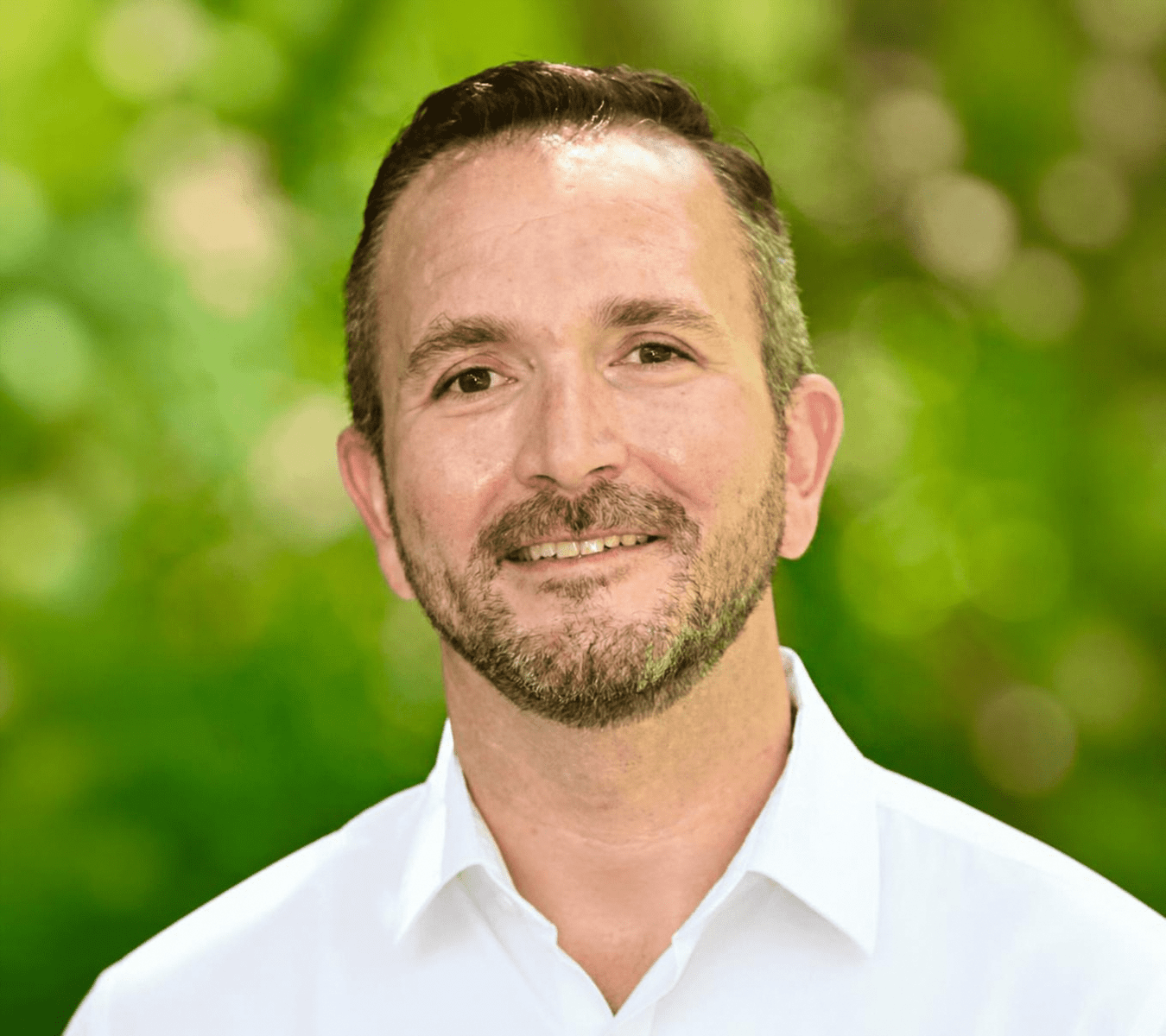
Dr. Liam Mahoney
Boston-based physician with extensive clinical experience in Emergency Medicine across Eastern Massachusetts.
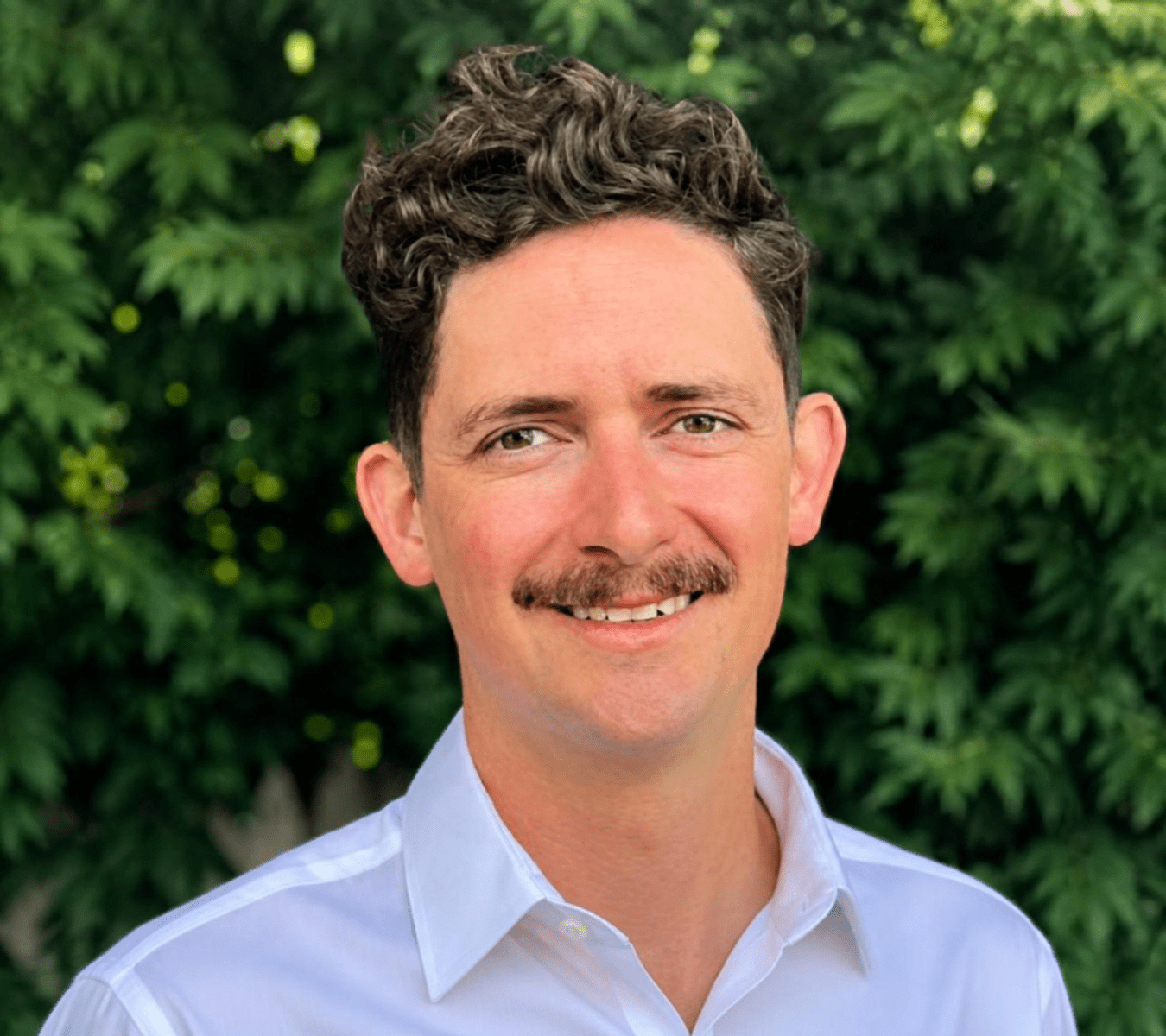
Dr. Joseph Benedict
MPH and MD from the University of Washington, now practicing Emergency Medicine throughout New England.
Trusted by people who've been where you are.
Since my initial intake with Beth, I have nothing but praise for the staff. The level of professionalism and attentiveness has been such a delight. Melissa, Paula and Luke have been amazing throughout the whole process. The treatment has helped me so much in relation to my depression and anxiety. Still have some off days which are a lot more controllable. Keep up the good work and positive vibes.
The best place and treatment I have ever tried. I have tried every antidepressant out there and nothing has made a difference. My girlfriend and family have noticed a huge change in me. The staff at Emerge are so friendly and nice I can't recommend this place enough. Paula is the best! She is so caring and friendly.
I'm truly excited about the beautiful new office and the incredible team that works there. Every person I've encountered has been kind, compassionate, and full of grace—beautiful spirits genuinely dedicated to supporting you on your journey toward peace, healing, and mental wellness. I wholeheartedly recommend them to anyone seeking care and support.
TMS therapy is offered at both of our Massachusetts clinics.
Three simple steps.
Schedule a Consultation
Fill out the form below, at no cost and no obligation.
Telehealth Evaluation
Talk through your history with our clinical team from home.
Begin Treatment
Start TMS at our Woburn or Danvers location.
Schedule Your Consultation
Fill out the form below and a member of our team will follow up to help you get started.
Your TMS questions, answered.

Let's figure out what might actually help.
Request a free consultation — no pressure, no obligation. Just a conversation about where you are and what's possible.
Request a Consultation